Japan’s shrines and temples are more than just beautiful landmarks — they’re living pieces of history, spirituality, and architecture that have shaped the country for over a thousand years. Whether you’re drawn to vivid red torii gates, centuries-old wooden halls, or peaceful mountain settings, here are five of the most unforgettable sacred sites to add to your Japan itinerary.
1. Fushimi Inari Taisha (Kyoto)
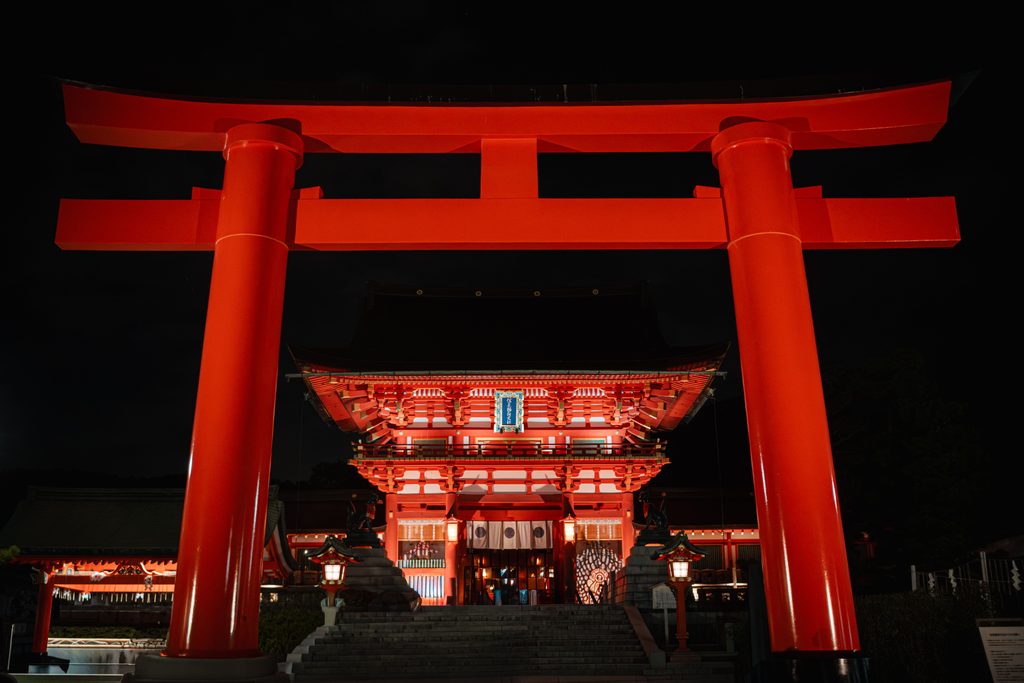
No image of Japan is more iconic than the endless tunnel of vermillion torii gates at Fushimi Inari Taisha. Dedicated to Inari, the Shinto god of rice and prosperity, this shrine sits at the base of a mountain, and thousands of gates wind their way up the trail to the summit. The full hike takes about 2-3 hours round trip, but even a short walk through the first few hundred gates is worth the visit. Best visited early morning or late afternoon to avoid crowds.
2. Kiyomizu-dera (Kyoto)
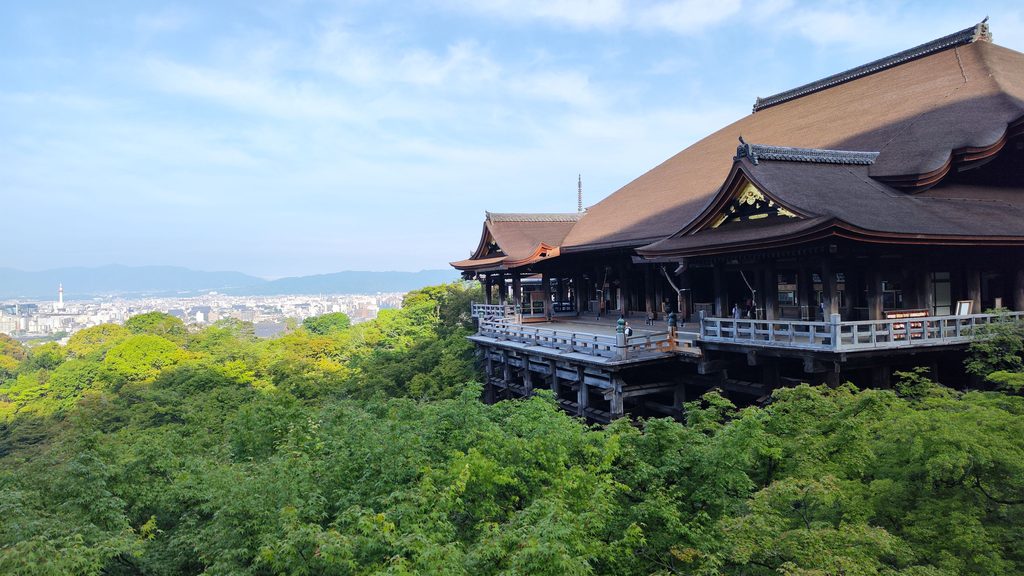
Perched on a hillside overlooking Kyoto, Kiyomizu-dera (“Pure Water Temple”) is famous for its wooden stage that juts out over the hillside, built without a single nail. The view over the city, especially during cherry blossom season or autumn foliage, is nothing short of spectacular. Below the main hall, visitors can drink from the Otowa Waterfall, said to grant wishes for health, love, or success.
Interestingly, Kiyomizu-dera is a classic stop on Japanese school trips — nearly every Japanese person visits at some point during their school years, often around junior high. I remember visiting in my third year of junior high after studying the temple’s history beforehand, which made walking through it feel far more meaningful than just sightseeing.
3. Itsukushima Shrine (Miyajima, Hiroshima)
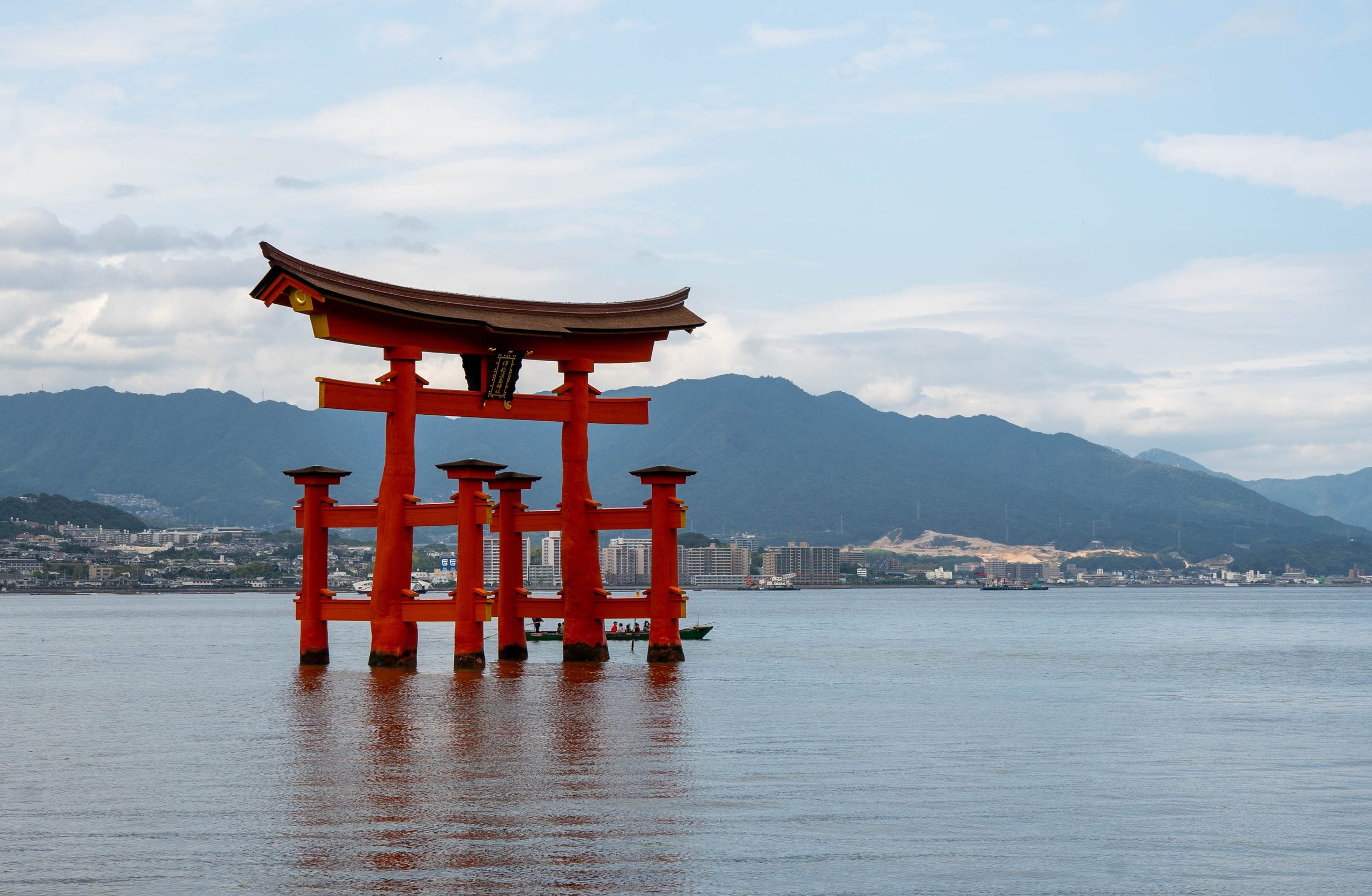
Famous for its “floating” torii gate that appears to rise straight out of the sea at high tide, Itsukushima Shrine is one of Japan’s most photographed sites and a UNESCO World Heritage location. The island of Miyajima is also home to friendly (if a little bold) wild deer, and offers stunning views from Mount Misen for those willing to hike or take the ropeway.
4. Meiji Jingu (Tokyo)
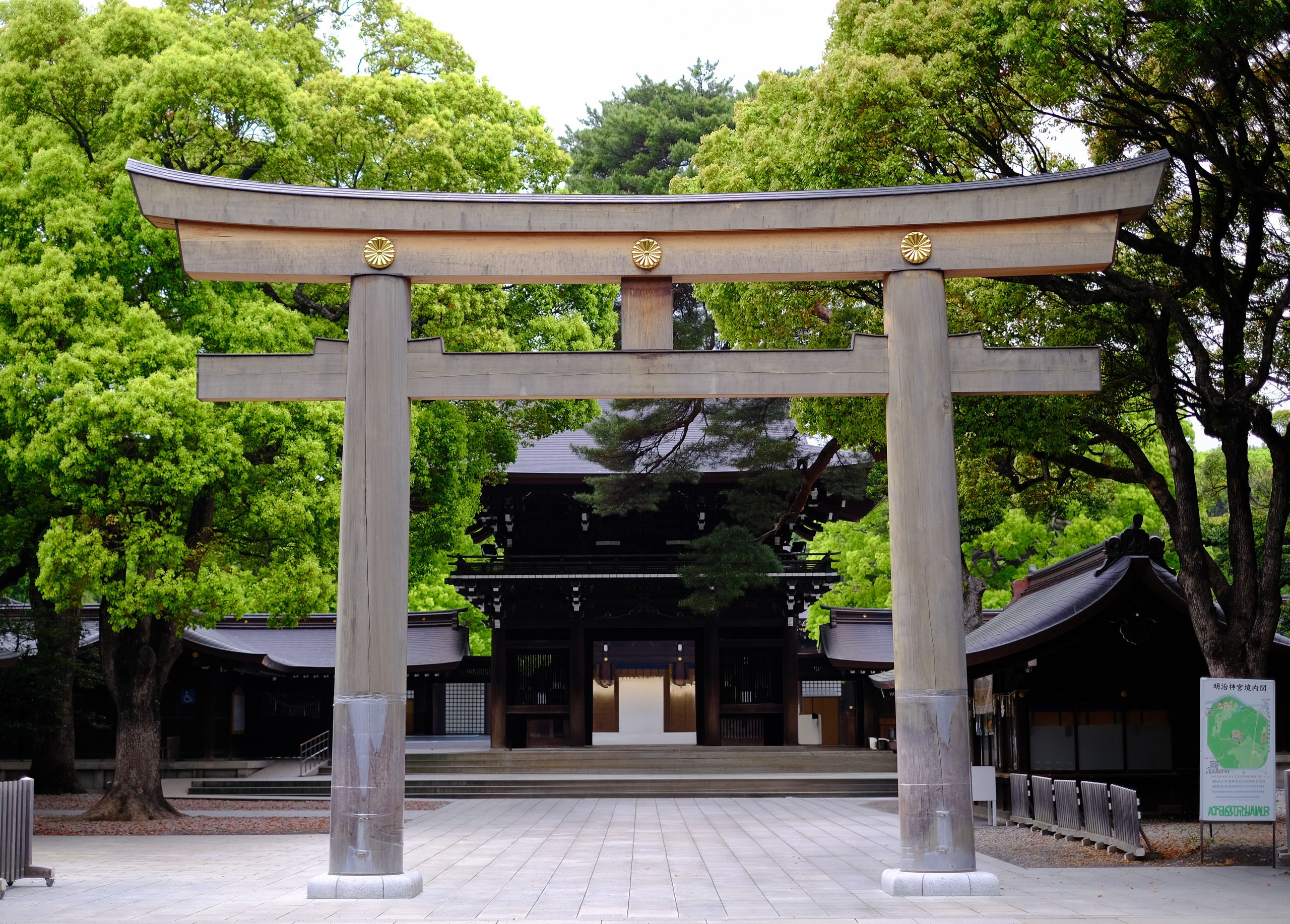
Tucked away in a forest of over 100,000 trees right in the heart of Tokyo, Meiji Jingu offers a peaceful escape from the city’s constant motion. Dedicated to Emperor Meiji and Empress Shoken, the shrine is a popular spot for traditional Shinto weddings, and visitors may be lucky enough to witness a ceremonial procession. It’s an easy stop near Harajuku and Shibuya.
5. Todai-ji (Nara)
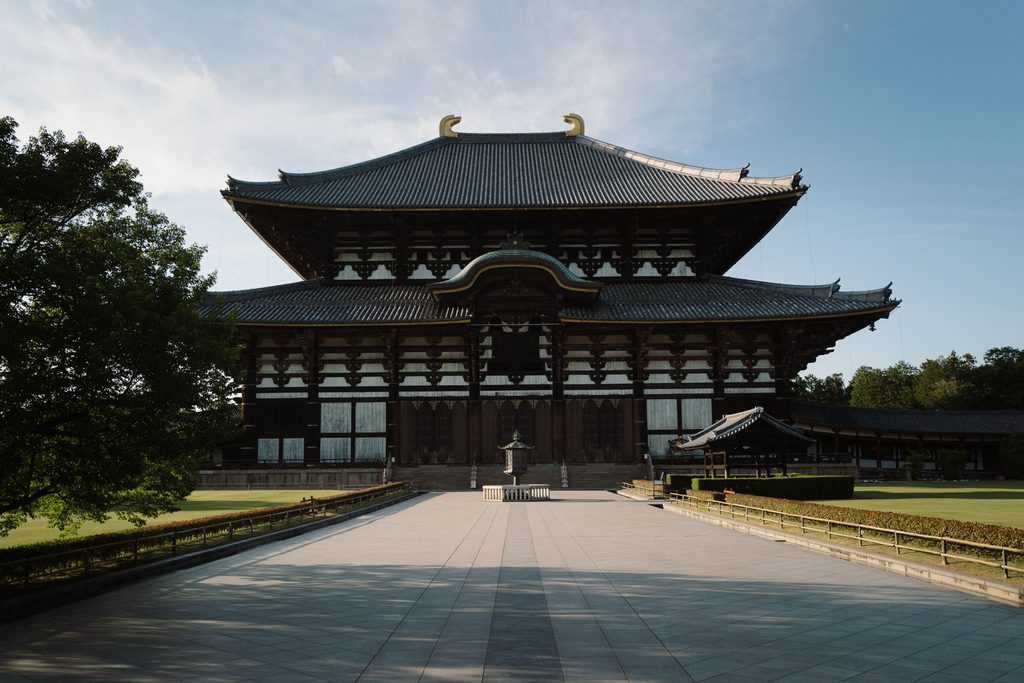
Home to one of the largest bronze Buddha statues in the world, Todai-ji in Nara is a UNESCO World Heritage Site and one of Japan’s most significant temples. The Great Buddha Hall itself is one of the largest wooden buildings on earth. Just outside, Nara Park is filled with over a thousand freely roaming deer, considered sacred messengers in Shinto belief.
Like Kiyomizu-dera, Todai-ji is another site almost every Japanese student visits on a school trip. Standing beneath the massive Great Buddha after having studied its history in class gives the visit a different kind of weight — it’s less about the size of the statue and more about understanding centuries of history behind it.
Where to Stay
Kyoto makes an excellent home base for this list: Fushimi Inari and Kiyomizu-dera are both within the city, and Nara is only a short train ride away for visiting Todai-ji. Tokyo is the natural base for Meiji Jingu, right near Harajuku and Shibuya. For Itsukushima Shrine, plan on staying in Hiroshima city or on Miyajima island itself, which is a short ferry ride from the mainland.